

Search results
- Products from 1 to 10 of 10
- |
- Show on page:
- |
- Sort by:
-
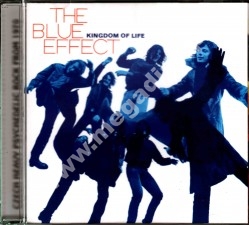 BLUE EFFECT (Modry Efekt) - BLUE EFFECT - Kingdom Of Life +10 - ITA Eastern Time Expanded Edition - LISTEN - VERY RAREprice: 60,00 PLN / 15,00 EUR
Blue Effect (later Modry Efekt) is probably the best Czech group - with the great, not to say frenzied, guitarist Radim Hladik. This outstanding, progressive album without a doubt belongs to the TOP FIVE OF ROCK FROM THE EASTERN BLOC! Recorded in 1969 and 1970, the vinyl "Kingdom Of Life" was prepared with a view to sale on the market of the Eastern Bloc countries. In fact it was the debut LP "Meditace" (1970), with the difference that four tracks from the first side originally sung in Czech (included among the bonus tracks - alongside 6 tracks from singles) were replaced with the English words of a new vocalist and an alternative cover. A combination of the style of Jethro Tull, Ten Years After, Led Zeppelin and The Moody Blues. Why were such records not made here?!? This 80-minute CD includes all the recordings from the band's early psych-progressive period, which already in 1970 went off into slightly more jazzy, equally exciting regions. An absolute must! (JL) -
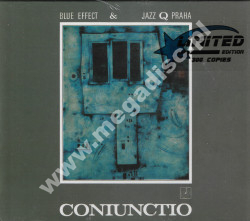 BLUE EFFECT (Modry Efekt) - BLUE EFFECT & JAZZ Q PRAHA - Coniunctio - KRAY Editionprice: 80,00 PLN / 20,00 EUR
"Still in the line-up with the first vocalist, the musicians of The Blue Effect were increasingly orienting themselves towards jazz, because firstly the decision-making circles in Czechoslovakia looked favourably on the increasingly popular 'music of oppressed American minorities', and secondly instrumental pieces or abstract titles did not come into conflict with the omnipresent censorship. In March 1970 the instrumental trio The Blue Effect in the line-up of Hladík, Kozel and Čech again entered the Prague recording studio of Supraphon in order to record, together with the free-jazz Prague band Jazz Q Praha (led at the time by wind virtuoso Jiří Stivín and keyboardist Martin Kratochvíl) during a one-day session something in the nature of a modern, jazz-rock equivalent of Ornette Coleman's classic album Free Jazz: A Collective Improvisation (Atlantic, 1961), on which (to put it briefly) two jazz quartets - including two rhythm sections - played their own thing, but... side by side. To readers who are fleeing in panic right now (or turning the page) I ask for patience, because the Czech 'super-session' turned out to be a very successful work, at times brilliant, though not free of cacophonous, hard-to-bear passages. The first side of the LP Coniunctio, released in 1970 by Supraphon but for members of the Czech Record Club, was filled by the nearly 20-minute Coniunctio I (In Memoriam Lubomír Pristof), composed by the two leaders of Jazz Q and performed by both bands. It is hard to describe this composition, because a great deal happened in it! After a cacophonous and theoretically hard-to-bear 30-second introduction, ensemble playing emerged from the chaos, decidedly progressive, though close to anarchy, with Radim Hladík playing a juicy, overdriven solo in the right channel, while on the left the Jazz Q musicians tried to 'throw him off balance', but at the same time, with piercing sounds from saxophone, organ and drums demolished by the drummer, played somewhat 'off to the side', added a peculiar colour to this music. It can't be denied that the best playing came in the 8th minute, when in both channels the guitarist reigned supreme with his twisted, progressive boogie. Then came a 6-minute passage devoid of rock elements, appropriated first by Stivín charmingly improvising on flute, whom the other three musicians then replaced, until in the 15th minute, after another stylistic turn, rock magic briefly returned, because both bands sounded together like a heavily twisted Jethro Tull... The last 3 minutes of the piece were devoted to a consistent calming of emotions... All in all it is a chunk of bold and loud playing that in 1970 certainly brought these musicians no shame! What a pity that in Poland nobody played like that (jazz-rock) at the time! The second side was opened by the 6-minute piece Návštěva U Tety Markéty, Vypití Šálku Čaje (in the export version titled A Visit To Aunty Margaret For A Cup Of Tea) - a piece that I fell in love with nearly 30 years ago - almost ignoring the first part of the album! Dominated by the exceptionally rock-minded, but playing at a fairly medium tempo, Blue Effect, adorned with splendid, Jethro Tull-like flute parts from the leader of Jazz Q and at the same time brimming with tasty, feisty guitar solos, this piece sounded as good as (if not better than) the best progressive bands from the British Isles! Importantly, in this piece Hladík clearly showed in which direction he would head on the next, big record! By contrast, in the 7-minute and completely jazz Asi Půjdem Se Psem Ven (Perhaps We'll Probably Take The Dog Out) only Jazz Q Praha appeared - and in its free-jazz style tested the material endurance of saxophone, piano, double bass and drum kit. The whole was closed by the over 7-minute Coniunctio II, composed by Hladík and Stivín and performed by both bands - a number based on a slightly swaying, slow, rock rhythm, as if blues-progressive (halfway close to the free-jazz style), dominated by Hladík wailing on guitar, Kratochvíl playing psychedelically on organ and Stivín blowing mercilessly into the saxophone. In my view the LP Coniunctio is the last border point between full-of-passion, bold, early, pioneering jazz-rock and the place called Jazz, where it is cold, alien and which you want to leave as quickly as possible. Even 3-4 years later this kind of album, with the rock part played more conservatively, probably in the fusion style and given more modern production - would have been hard for me to listen to. As I already mentioned, made in a thin, easily worn-out sleeve (with two photos on the back), the album also came out in an export version with a navy blue Supraphon label on the vinyl - with a laminated, glossy and almost identical front, but with only one photo of both bands playing together in the studio on the back cover. Finally I will add that the record is considered a full-fledged discographic title of both bands, so it will also appear further on, as the debut of the group Jazz Q!" REVIEW BY JACEK LEŚNIEWSKI FROM A BOOK ON ROCK FROM THE FORMER EASTERN BLOC, BEGUN BUT ABANDONED AFTER HALF A YEAR (2021). A limited edition, new, sealed. -
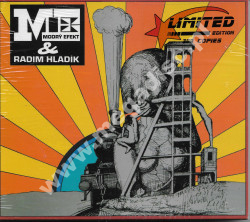 BLUE EFFECT (Modry Efekt) - BLUE EFFECT / MODRY EFEKT - Modry Efekt A Radim Hladik - KRAY Editionprice: 80,00 PLN / 20,00 EUR
"This Prague-based band, founded in November 1968, is in my humble opinion the best and certainly the most versatile rock band ever formed in Czechoslovakia and also - now it will be somewhat controversial - in the whole Eastern Bloc! Led by the excellent Radim Hladík - without doubt the most outstanding guitarist in that part of Europe (also playing electric organ, flute and sitar), the band initially consisted of vocalist Vladimír J. Mišík, who also played organ, second guitarist Miloš Svoboda, bassist Jiří Kozel and the exquisite drummer Vlado Čech. It is worth knowing that Hladik had earlier played in the popular group The Matadors, in which Mišík also briefly appeared. (...) At the end of 1974, Supraphon/Artia (already with a light orange Supraphon sticker on the record) released, for export to the 'fraternal countries', the LP A Benefit Of Radim Hladík - a completely instrumental album decorated with a colour photo of Hladík playing a gold Gibson and, interestingly - credited to The Blue Effect! Already in 1975 an identical one reached Czech shops, though released in a completely changed, somewhat abstract sleeve (looking like another album by the Hungarian group Locomotiv GT...) and enriched with a 4-page insert with photos and lyrics - the LP Modrý Efekt & Radim Hladík mentioned a page earlier. It's clear that our Radim decided to promote his own name, and that never leads to anything good - especially in the opinion of the other band members... It is worth adding that flautist Jiří Stivín and electric piano player Martin Kratochvíl - by then the lone leader of Jazz Q - took part as guests in the recording of the record. Apart from the sleeve and title, the only difference from the export version was the swapping of tracks 2 and 3 on the first side. So we are taking up the Czech edition with the locomotive... The first side was opened by the as much as 10-minute Boty (Shoes) - being another, hardly changed, version of the piece Je Třeba Obout Boty A Pak Dlouho Jít (One Must First Put On Shoes And Then Walk) - known from Nová Syntéza 2. I admit that, devoid of vocals and orchestra, but played with more bite (though containing a beautiful, delicate flute solo by Jiří and that Santana-like guitar solo) and at times decidedly hard rock, this, all in all original, version appealed to me more! The next piece was a beautiful, ballad-rock number based on a recurring, very melodic theme created by weeping and wailing electric guitars layered over one another at various intervals, Čajovna (Tea-Room), probably the most popular piece among the band's fans, combining the style of romantic Peter Green with my beloved Wishbone Ash from the period of the LP Argus. Apparently it was precisely because of this piece that the record was held back for nearly 2 years! But why? Because of censorship? After all it's an instrumental... The third piece on the record was Skládanka (Jigsaw Puzzle), played in fairly broken rhythms, full of sudden turns, improvised - lasting 6 minutes, a very intense composition in which, alongside Hladík and Semelka playing their parts, Stivín led the way, playing crazy and almost frenzied sounds on flute. A certain moment of respite was Ztráty A Nálezy (Lost-And-Found), recalling the very early work of Jan Akkerman with the group Focus - a little over 5 minutes, all in all a very pretty piece, although the melodic line of this one, long guitar solo could have been more polished... The last recording on the LP Modrý Efekt & Radim Hladík and A Benefit Of Radim Hladík was the 12-and-a-half-minute Hypertenze (Hypertension), based initially on a catchy guitar lick (as if taken from a Mountain album) and dominated by the style of early, that is still pleasant to the ear, jazz-fusion. The main role was played here by the highly intricate sounds of electric guitar, played at great speed, Stivín's saxophone and Kratochvíl's electric piano, although I much preferred the breathy, much calmer middle moment that followed straight afterwards, after which came a nicely twisted bass part played at rocket tempo, while the whole was summed up by a slowly building, restless coda, again recalling the melodies of the group Focus." REVIEW BY JACEK LEŚNIEWSKI FROM A BOOK ON ROCK FROM THE FORMER EASTERN BLOC, BEGUN BUT ABANDONED AFTER HALF A YEAR (2021). -
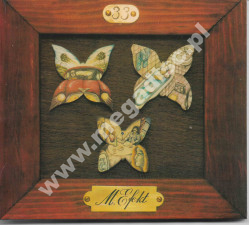 BLUE EFFECT (Modry Efekt) - MODRY EFEKT – 33 (+3) - Supraphon Digipak Remastered Editionprice: 90,00 PLN / 22,50 EUR
Still in September and October 1980 the eighth (or ninth - counting the largely repeat LP Kingdom Of Life) and unfortunately last LP under the name M. Efekt was recorded as a trio. The record, titled 33, was released by Supraphon in 1981 and contained four extended and as a rule very good compositions divided into two sides of vinyl: the first part came from Hladik's pen and side B was written by Semelka. A great virtue of this music was the very traditional, for 1981, rock sound, and the return of the dominant guitar sounds - strongly limited on the previous LP. It is also worth mentioning that Martin Kratochvil - piano, Jiří Stivín - flute and the band's former bassist - Josef Kůstka - vocals took part in the recording of the record. The whole thing was opened by the excellent, decidedly progressive Třiatřicet - lasting 14 and a half minutes, a fairly stylistically changeable piece sung with Niemen-like passion, but as I mentioned - dominated by splendid, dynamic and exceptionally solid phrases of electric guitar referencing the school of Howe's and Gilmour's. Of course the somewhat cosmic (and for brief moments almost new wave) resonating synthesisers tried to dominate this music, but Hladík did not give in! And Vlado Čech's drumming as always was sensational! I don't want to be nasty, but when I think of the level of rock playing in Poland at the time, I am seized by genuine envy! The second track was the 7-minute Avignonské Slečny Z Prahy - a piece begun very gently, almost pastorally, which then turned into another soft-progressive piece in the style of Focus and Camel. Opening the second part, the almost 9-minute Občasná Pánská Jízda, except for a few feisty and rhythmically broken, shorter passages, was as a rule kept in a fairly slow rhythm and thanks to the brilliant playing of Radim Hladík again brought to mind the classic recordings of Focus, Camel and Steve Hackett's. The closing piece of the last record, Kohoutek Kamarádství Dokapává, like its predecessor was based on an almost ideal interplay of warm-sounding synthesisers and sweeping guitar parts, of which the greatest impression was made by the slowly building, perfectly played and, importantly - melodic solo in the second half of the piece. Note! On the CD version the order of the last two recordings has been swapped - even if the booklet showed otherwise! And that was already the end of the record activity (not counting a few singles) of this splendid band - once more I will repeat that it was certainly the best, most versatile - that was active in the 70s in the Eastern Bloc! I admit that I somewhat underrated Hladík's band! I listened obsessively to 2-3 early titles and the rest I rather... did not give a fig about. And only now, when I have finished listening carefully to all these albums - only now has it dawned on me how excellent this music is and at how high and, importantly - consistently even a level it stood for many years! I understand that voices will soon be raised that there is, after all, Omega (I adore them, but after 1975 it was no longer the same...), that Breakout (great, but after 1971 strongly uneven and it stopped developing), that SBB (without a single excellent record in its output; totally overrated, adored mainly in Poland, though esteemed in the world) and perhaps the Romanian Phoenix (splendid, but their output was not very impressive...). Just to finish I will add that in 1981 the band broke up, because the vocalist and the drummer Čech, always faithful to Hladík, left to found the group Lešek Semelka & S.L.S. Meanwhile in later years the lone guitarist was practically condemned to work with various, random line-ups, and the result of these efforts was a Supraphon disc made in 1983: Něžná/Záhada Jmelí (1983) - with a ballad-like and completely nondescript A side and a decent, hard rock B side. And in 1987 the Doktor/Čajovna (Supraphon, 1987), unknown to me, reached the market. Unfortunately, already in 1986 the excellent drummer (compared in his homeland to John Bonham) Vlado Čech died prematurely of alcoholism..." REVIEW BY JACEK LEŚNIEWSKI FROM A BOOK ON ROCK FROM THE FORMER EASTERN BLOC, BEGUN BUT ABANDONED AFTER HALF A YEAR (2021). A digipak edition with three bonus tracks. -
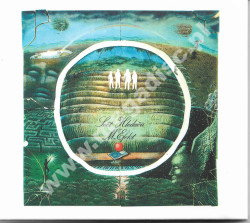 BLUE EFFECT (Modry Efekt) - MODRY EFEKT – Svět Hledačů (+7) - Supraphon Digipak Remastered Editionprice: 90,00 PLN / 22,50 EUR
"The album Svět Hledačů is the highest-rated (4.31 out of 5) title by the group on the site progarchives.com, created by (ever younger) fans and all kinds of know-it-alls, while Meditace (3.23/5) and Nová Syntéza 2 (3.29/5) - the worst, which may not be entirely reliable (only 70-160 people voted on the band's various titles), but it testifies to what kind of progressive rock is currently best received among internet users... After the release of the album Veselý, in conflict with the vocalist, left the band, and in 1980 Supraphon released a very average single Žena V Okně / Známe Se Dál - credited to Lešek Semelka M. Efekt." REVIEW BY JACEK LEŚNIEWSKI FROM A BOOK ON ROCK FROM THE FORMER EASTERN BLOC, BEGUN BUT ABANDONED AFTER HALF A YEAR (2021). A digipak edition, 7 bonus tracks. -
 BLUE EFFECT (Modry Efekt) - BLUE EFFECT - Kingdom Of Life - CZECH Supraphon 2025 Pressprice: 150,00 PLN / 37,50 EUR
A new 2025 reissue. "In October 1970 The Blue Effect entered a recording studio for one day to prepare three English-language versions for a new edition of the debut, planned by Supraphon/Artia (the export branch of the Czech label), intended exclusively for East European markets and unavailable in Czech shops. To the original instrumental backing tracks, Semelka, in my opinion less convincing than his predecessor, added new vocal lines to Paměť Lásky - now renamed Kingdom Of Life; Fénix was called You'll Stay With Me, and Stroj na nic was titled Brother's Song. On the other hand the original, Czech track for the piece Blue Effect Street was probably replaced by Mišík's old, English version and changed to White Hair. The second, English-language side of the album Meditace remained untouched and is identical on both titles. I will only add that from the piece Kingdom Of Life the initial sitar part disappeared, and to the middle, delicate part for string quartet (probably unnecessarily) melodic piano phrases were added, while in place of the Czech declamation by the long-forgotten Miloš Svoboda, more decisive English words were pasted in, spoken by... the porter at the Supraphon studios! Released in an attractive and, compared with Meditace, completely changed, laminated sleeve, the LP Kingdom Of Life reached the 'fraternal' record markets in 1971 and for years was one of the most sought-after 'eastern' items by Western fans of psychedelic and progressive rock. I will only add that the veeery rare first pressing (72 1) had a navy blue vinyl label with a unique, very large, semicircular Supraphon inscription." REVIEW BY JACEK LEŚNIEWSKI FROM A BOOK ON ROCK FROM THE FORMER EASTERN BLOC, BEGUN BUT ABANDONED AFTER HALF A YEAR (2021). -
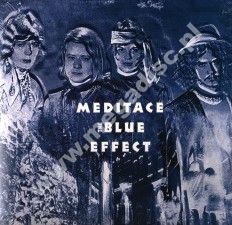 BLUE EFFECT (Modry Efekt) - BLUE EFFECT - Meditace - CZE Supraphon Press - LISTENprice: 150,00 PLN / 37,50 EUR
"In April 1969 at the Supraphon studios the band began recording a full-length record, but only one track was recorded (but what a track!) - the last with Svoboda in the line-up. The vast majority of the work was done only between June and August, and in autumn the very successful single Fenix/Stroj na nic, released in an ordinary company sleeve, reached the shops as a teaser. Both tracks also appeared on the excellent LP Meditace, released only in June 1970. Getting slightly ahead of ourselves, it is worth knowing that the lyrics of the first four tracks (that is, almost the whole of the first side) making up the conceptual suite 'Meditace', inspired by the political events of 1968 (the Prague Spring and then the invasion of Czechoslovakia by Eastern Bloc troops), were challenged by the censorship then raging in the country, and the album was held back until new versions were made. So another lyricist hastily produced new words, stripped of ideological overtones, which, however, according to those who heard the original version, lost forever, no longer had the same power of expression. Strangely, the title of the record remained unchanged! Made in mono (with a light cream Supraphon label) and in stereo (with the supposedly elliptical, silver label logo on a dark blue background) and in a very delicate, thin single sleeve, very prone to creasing and wear (almost entirely composed by the leader), the album was an excellent compilation of what was best in new European rock in 1969! The band was able to assimilate perfectly into its style the influences of groups such as Cream, Ten Years After, Led Zeppelin, Jethro Tull and of course The Beatles. Incidentally, it should be added that at the same time no money was spared on arrangements, so juicy string or brass parts kept appearing in the key passages of most of the compositions. The record opened with the mysterious and strongly psychedelic sounds of the sitar (strangely cut from probably all later editions - including the most recent ones...), that is Paměť Lásky - in my humble opinion the most beautiful part of the album and one of my (many, admittedly) definitive moments in the history of recorded sound! Recorded back in April 1969 and sung by Miloš Svoboda, who was soon pushed out of the band, it was in my opinion a great cry of despair and grief, enclosed in those sounds, of Czechs and Slovaks crushed by the 'fraternal nations'. Enriched with a fervent recitation, based on a very catchy melody, brilliant in its simplicity, recalling the choral singing of medieval knights, arranged with the help of strings and brass, played at a medium, gently swaying, march-like tempo, the passage simply grips the heart and does not want to let go. Polish listeners will of course probably be amused by words such as 'láska je věčná' ('love never ends'), but I assure you that our southern neighbours probably also smile to themselves at the most moving poetic lines sung by Czesław Niemen or Marek Grechuta. Such are our languages... In a completely different, decidedly more cheerful mood was the decidedly rock Blue Effect Street, adorned with the magical sounds of the sitar - composed by Mišík and based on a very catchy guitar riff and a slightly swaying rhythm, a superb, hippie number with a short but very effective guitar solo from Hladík. Released a few months earlier on the A-side of a single, Fénix was a slowly building and emotion-filled rock ballad sung in a slightly 'festival' (Sopot, Opole etc.) style, but the final effect turned out exquisite! The next one on the record, lasting only 2 and a half minutes, the decidedly rock Stroj Na Nic was a passage built on dense drumming, recalling the guitar work of Led Zeppelin and the melodics of Fire by The Jimi Hendrix Experience. The first side of the vinyl record, sung entirely in Czech and lasting a mere 17 minutes, was closed by a short, instrumental version of the single Sluneční Hrob, delicately arranged for acoustic guitar, oboe and string quartet. The second part, sung exclusively in English by Mišík, opened in spectacular style with Little Girl - a superb, very much of-the-moment blues-progressive piece with a part for a shepherd's pipe and a jazzy guitar solo, a combination of the style of Jethro Tull and Ten Years After. Somewhat more subdued in character was the pleasantly swaying Deserted Alley - an almost hypnotic but catchy number based on the interplay of acoustic and electric guitars and a great, very busy rhythm section. The next 8 minutes were filled by the excellent Blues About Stone, written exceptionally by the whole band, that is, er, a bluesy, veeery slowly developing passage recalling the work of bands such as Ten Years After, Led Zeppelin and the Keef Hartley Band. The penultimate track on the record, Rainy Day, alluded a little to the gentler, slightly funky, at times almost jazzy side of Jimi Hendrix's work, although in the choruses the band could also hit hard and juicily and suddenly change the rhythm so that the leader could strike the listener with yet another excellent solo! The album, lasting less than 40 minutes, was closed by the rather hard-to-classify, heavily broken-rhythmed and mood-changing Where Is My Star - a rather unique combination of boogie and heavy rock with another effective guitar solo. What a varied and at the same time wonderful record! Today very few well-preserved copies (especially in an uncreased and unworn sleeve) fetch 200 euros. Unfortunately this title, adored for years by fans of classic rock, turned out at the time of release to be only a very moderate success. Worse still, the band blamed this state of affairs mainly on the vocalist (who behaved like a rock star) and his unbridled tendency to sing English lyrics." A REVIEW BY JACEK LEŚNIEWSKI FROM A BOOK ABOUT ROCK IN THE FORMER EASTERN BLOC, BEGUN BUT ABANDONED HALF A YEAR LATER (2021). 2017 edition, sealed. -
 BLUE EFFECT (Modry Efekt) - BLUE EFFECT - 1969-1981 - 8 Czech Albums + singles (9CD Box) - LISTENprice: 300,00 PLN / 75,00 EUR
Nicely presented, 9-disc box set containing all 8 catalogue albums from 1969-1981 and an additional CD with single tracks and rarities. I do not know why the box bears the date 1989 - probably the band broke up then. Practically all the titles can be recommended - including the last, surprisingly good albums! A chunk of excellent music! The box does not contain the export LP "Kingdom Of Life" (1971) - released separately in Italy. Highly recommended! -
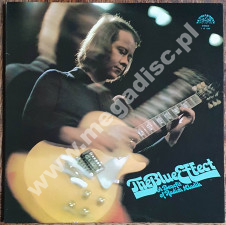 BLUE EFFECT (Modry Efekt) - BLUE EFFECT - A Benefit Of Radim Hladik - CZECHOSLOVAKIAN Supraphon 1978 EXPORT Press - NEAR MINT VINTAGE VINYLprice: 300,00 PLN / 75,00 EUR
ANALOGUE SOUND! A very rare, Czechoslovak export pressing in a special Supraphon sleeve (from 1978) of a superb, jazz-rock, guitar-driven album made in 1974. Blue Effect (and later Modry Efekt) is probably the best Czech band - with the great, not to say mind-blowing guitarist Radim Hladik. The sleeve, laminated on the front, is almost perfect: MINT(-) / The vinyl apparently unplayed: MINT(-) -
 BLUE EFFECT (Modry Efekt) - BLUE EFFECT / MODRY EFEKT - Modry Efekt A Radim Hladik - CZECH Supraphon 2024 Pressprice: 150,00 PLN / 37,50 EUR
A new 2024 reissue. "This Prague-based band, founded in November 1968, is in my humble opinion the best and certainly the most versatile rock band ever formed in Czechoslovakia and also - now it will be somewhat controversial - in the whole Eastern Bloc! Led by the excellent Radim Hladík - without doubt the most outstanding guitarist in that part of Europe (also playing electric organ, flute and sitar), the band initially consisted of vocalist Vladimír J. Mišík, who also played organ, second guitarist Miloš Svoboda, bassist Jiří Kozel and the exquisite drummer Vlado Čech. It is worth knowing that Hladik had earlier played in the popular group The Matadors, in which Mišík also briefly appeared. (...) At the end of 1974, Supraphon/Artia (already with a light orange Supraphon sticker on the record) released, for export to the 'fraternal countries', the LP A Benefit Of Radim Hladík - a completely instrumental album decorated with a colour photo of Hladík playing a gold Gibson and, interestingly - credited to The Blue Effect! Already in 1975 an identical one reached Czech shops, though released in a completely changed, somewhat abstract sleeve (looking like another album by the Hungarian group Locomotiv GT...) and enriched with a 4-page insert with photos and lyrics - the LP Modrý Efekt & Radim Hladík mentioned a page earlier. It's clear that our Radim decided to promote his own name, and that never leads to anything good - especially in the opinion of the other band members... It is worth adding that flautist Jiří Stivín and electric piano player Martin Kratochvíl - by then the lone leader of Jazz Q - took part as guests in the recording of the record. Apart from the sleeve and title, the only difference from the export version was the swapping of tracks 2 and 3 on the first side. So we are taking up the Czech edition with the locomotive... The first side was opened by the as much as 10-minute Boty (Shoes) - being another, hardly changed, version of the piece Je Třeba Obout Boty A Pak Dlouho Jít (One Must First Put On Shoes And Then Walk) - known from Nová Syntéza 2. I admit that, devoid of vocals and orchestra, but played with more bite (though containing a beautiful, delicate flute solo by Jiří and that Santana-like guitar solo) and at times decidedly hard rock, this, all in all original, version appealed to me more! The next piece was a beautiful, ballad-rock number based on a recurring, very melodic theme created by weeping and wailing electric guitars layered over one another at various intervals, Čajovna (Tea-Room), probably the most popular piece among the band's fans, combining the style of romantic Peter Green with my beloved Wishbone Ash from the period of the LP Argus. Apparently it was precisely because of this piece that the record was held back for nearly 2 years! But why? Because of censorship? After all it's an instrumental... The third piece on the record was Skládanka (Jigsaw Puzzle), played in fairly broken rhythms, full of sudden turns, improvised - lasting 6 minutes, a very intense composition in which, alongside Hladík and Semelka playing their parts, Stivín led the way, playing crazy and almost frenzied sounds on flute. A certain moment of respite was Ztráty A Nálezy (Lost-And-Found), recalling the very early work of Jan Akkerman with the group Focus - a little over 5 minutes, all in all a very pretty piece, although the melodic line of this one, long guitar solo could have been more polished... The last recording on the LP Modrý Efekt & Radim Hladík and A Benefit Of Radim Hladík was the 12-and-a-half-minute Hypertenze (Hypertension), based initially on a catchy guitar lick (as if taken from a Mountain album) and dominated by the style of early, that is still pleasant to the ear, jazz-fusion. The main role was played here by the highly intricate sounds of electric guitar, played at great speed, Stivín's saxophone and Kratochvíl's electric piano, although I much preferred the breathy, much calmer middle moment that followed straight afterwards, after which came a nicely twisted bass part played at rocket tempo, while the whole was summed up by a slowly building, restless coda, again recalling the melodies of the group Focus." REVIEW BY JACEK LEŚNIEWSKI FROM A BOOK ON ROCK FROM THE FORMER EASTERN BLOC, BEGUN BUT ABANDONED AFTER HALF A YEAR (2021).


