

Search results
- Products from 1 to 24 of 36
- |
- Show on page:
- |
- Sort by:
-
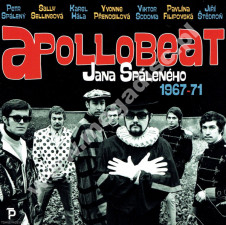 APOLLOBEAT - APOLLOBEAT JANA SPALENEHO - 1967-71 (2CD) - CZE Remastered Editionprice: 100,00 PLN / 25,00 EUR
The band led by Jan Spaleny was formed in 1966 as The Hipp's, and a year later changed its name to Apollobeat. At first it accompanied various vocalists, later only the leader's brother - Petr Spaleny. -
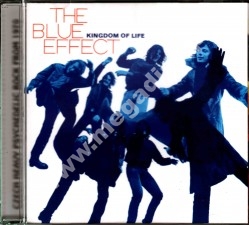 BLUE EFFECT (Modry Efekt) - BLUE EFFECT - Kingdom Of Life +10 - ITA Eastern Time Expanded Edition - LISTEN - VERY RAREprice: 60,00 PLN / 15,00 EUR
Blue Effect (later Modry Efekt) is probably the best Czech group - with the great, not to say frenzied, guitarist Radim Hladik. This outstanding, progressive album without a doubt belongs to the TOP FIVE OF ROCK FROM THE EASTERN BLOC! Recorded in 1969 and 1970, the vinyl "Kingdom Of Life" was prepared with a view to sale on the market of the Eastern Bloc countries. In fact it was the debut LP "Meditace" (1970), with the difference that four tracks from the first side originally sung in Czech (included among the bonus tracks - alongside 6 tracks from singles) were replaced with the English words of a new vocalist and an alternative cover. A combination of the style of Jethro Tull, Ten Years After, Led Zeppelin and The Moody Blues. Why were such records not made here?!? This 80-minute CD includes all the recordings from the band's early psych-progressive period, which already in 1970 went off into slightly more jazzy, equally exciting regions. An absolute must! (JL) -
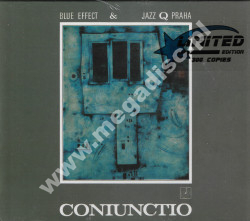 BLUE EFFECT (Modry Efekt) - BLUE EFFECT & JAZZ Q PRAHA - Coniunctio - KRAY Editionprice: 80,00 PLN / 20,00 EUR
"Still in the line-up with the first vocalist, the musicians of The Blue Effect were increasingly orienting themselves towards jazz, because firstly the decision-making circles in Czechoslovakia looked favourably on the increasingly popular 'music of oppressed American minorities', and secondly instrumental pieces or abstract titles did not come into conflict with the omnipresent censorship. In March 1970 the instrumental trio The Blue Effect in the line-up of Hladík, Kozel and Čech again entered the Prague recording studio of Supraphon in order to record, together with the free-jazz Prague band Jazz Q Praha (led at the time by wind virtuoso Jiří Stivín and keyboardist Martin Kratochvíl) during a one-day session something in the nature of a modern, jazz-rock equivalent of Ornette Coleman's classic album Free Jazz: A Collective Improvisation (Atlantic, 1961), on which (to put it briefly) two jazz quartets - including two rhythm sections - played their own thing, but... side by side. To readers who are fleeing in panic right now (or turning the page) I ask for patience, because the Czech 'super-session' turned out to be a very successful work, at times brilliant, though not free of cacophonous, hard-to-bear passages. The first side of the LP Coniunctio, released in 1970 by Supraphon but for members of the Czech Record Club, was filled by the nearly 20-minute Coniunctio I (In Memoriam Lubomír Pristof), composed by the two leaders of Jazz Q and performed by both bands. It is hard to describe this composition, because a great deal happened in it! After a cacophonous and theoretically hard-to-bear 30-second introduction, ensemble playing emerged from the chaos, decidedly progressive, though close to anarchy, with Radim Hladík playing a juicy, overdriven solo in the right channel, while on the left the Jazz Q musicians tried to 'throw him off balance', but at the same time, with piercing sounds from saxophone, organ and drums demolished by the drummer, played somewhat 'off to the side', added a peculiar colour to this music. It can't be denied that the best playing came in the 8th minute, when in both channels the guitarist reigned supreme with his twisted, progressive boogie. Then came a 6-minute passage devoid of rock elements, appropriated first by Stivín charmingly improvising on flute, whom the other three musicians then replaced, until in the 15th minute, after another stylistic turn, rock magic briefly returned, because both bands sounded together like a heavily twisted Jethro Tull... The last 3 minutes of the piece were devoted to a consistent calming of emotions... All in all it is a chunk of bold and loud playing that in 1970 certainly brought these musicians no shame! What a pity that in Poland nobody played like that (jazz-rock) at the time! The second side was opened by the 6-minute piece Návštěva U Tety Markéty, Vypití Šálku Čaje (in the export version titled A Visit To Aunty Margaret For A Cup Of Tea) - a piece that I fell in love with nearly 30 years ago - almost ignoring the first part of the album! Dominated by the exceptionally rock-minded, but playing at a fairly medium tempo, Blue Effect, adorned with splendid, Jethro Tull-like flute parts from the leader of Jazz Q and at the same time brimming with tasty, feisty guitar solos, this piece sounded as good as (if not better than) the best progressive bands from the British Isles! Importantly, in this piece Hladík clearly showed in which direction he would head on the next, big record! By contrast, in the 7-minute and completely jazz Asi Půjdem Se Psem Ven (Perhaps We'll Probably Take The Dog Out) only Jazz Q Praha appeared - and in its free-jazz style tested the material endurance of saxophone, piano, double bass and drum kit. The whole was closed by the over 7-minute Coniunctio II, composed by Hladík and Stivín and performed by both bands - a number based on a slightly swaying, slow, rock rhythm, as if blues-progressive (halfway close to the free-jazz style), dominated by Hladík wailing on guitar, Kratochvíl playing psychedelically on organ and Stivín blowing mercilessly into the saxophone. In my view the LP Coniunctio is the last border point between full-of-passion, bold, early, pioneering jazz-rock and the place called Jazz, where it is cold, alien and which you want to leave as quickly as possible. Even 3-4 years later this kind of album, with the rock part played more conservatively, probably in the fusion style and given more modern production - would have been hard for me to listen to. As I already mentioned, made in a thin, easily worn-out sleeve (with two photos on the back), the album also came out in an export version with a navy blue Supraphon label on the vinyl - with a laminated, glossy and almost identical front, but with only one photo of both bands playing together in the studio on the back cover. Finally I will add that the record is considered a full-fledged discographic title of both bands, so it will also appear further on, as the debut of the group Jazz Q!" REVIEW BY JACEK LEŚNIEWSKI FROM A BOOK ON ROCK FROM THE FORMER EASTERN BLOC, BEGUN BUT ABANDONED AFTER HALF A YEAR (2021). A limited edition, new, sealed. -
 BLUE EFFECT (Modry Efekt) - BLUE EFFECT - Kingdom Of Life - CZECH Supraphon 2025 Pressprice: 150,00 PLN / 37,50 EUR
A new 2025 reissue. "In October 1970 The Blue Effect entered a recording studio for one day to prepare three English-language versions for a new edition of the debut, planned by Supraphon/Artia (the export branch of the Czech label), intended exclusively for East European markets and unavailable in Czech shops. To the original instrumental backing tracks, Semelka, in my opinion less convincing than his predecessor, added new vocal lines to Paměť Lásky - now renamed Kingdom Of Life; Fénix was called You'll Stay With Me, and Stroj na nic was titled Brother's Song. On the other hand the original, Czech track for the piece Blue Effect Street was probably replaced by Mišík's old, English version and changed to White Hair. The second, English-language side of the album Meditace remained untouched and is identical on both titles. I will only add that from the piece Kingdom Of Life the initial sitar part disappeared, and to the middle, delicate part for string quartet (probably unnecessarily) melodic piano phrases were added, while in place of the Czech declamation by the long-forgotten Miloš Svoboda, more decisive English words were pasted in, spoken by... the porter at the Supraphon studios! Released in an attractive and, compared with Meditace, completely changed, laminated sleeve, the LP Kingdom Of Life reached the 'fraternal' record markets in 1971 and for years was one of the most sought-after 'eastern' items by Western fans of psychedelic and progressive rock. I will only add that the veeery rare first pressing (72 1) had a navy blue vinyl label with a unique, very large, semicircular Supraphon inscription." REVIEW BY JACEK LEŚNIEWSKI FROM A BOOK ON ROCK FROM THE FORMER EASTERN BLOC, BEGUN BUT ABANDONED AFTER HALF A YEAR (2021). -
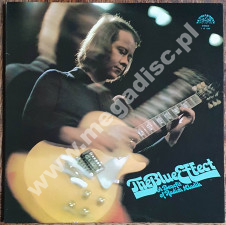 BLUE EFFECT (Modry Efekt) - BLUE EFFECT - A Benefit Of Radim Hladik - CZECHOSLOVAKIAN Supraphon 1978 EXPORT Press - NEAR MINT VINTAGE VINYLprice: 300,00 PLN / 75,00 EUR
ANALOGUE SOUND! A very rare, Czechoslovak export pressing in a special Supraphon sleeve (from 1978) of a superb, jazz-rock, guitar-driven album made in 1974. Blue Effect (and later Modry Efekt) is probably the best Czech band - with the great, not to say mind-blowing guitarist Radim Hladik. The sleeve, laminated on the front, is almost perfect: MINT(-) / The vinyl apparently unplayed: MINT(-) -
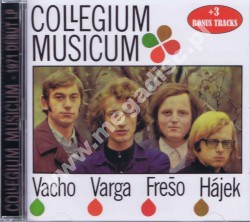 COLLEGIUM MUSICUM (see also: Prudy / Varga, Marian) - COLLEGIUM MUSICUM - Collegium Musicum (1st Album) +3 - AU Enigmatic Remastered & Expanded - LISTEN - VERY RAREprice: 60,00 PLN / 15,00 EUR
An absolute classic of European progressive playing from the early 70s! Remastered Austrian edition - sounding really superb - better than the old, two-disc version made 30 years ago together with the CD "Konvergencie". The debut by this Slovak formation (led by the excellent organist Marian Varga) was inspired by the work of composers of classical music, as well as the output of The Nice and Procol Harum! The catalogue album was filled with three heavily extended tracks, averaging 13 minutes each; besides that, two tracks from the debut 13-minute EP (from 1970) were customarily added to the contents of the debut, as well as an alternative version, PREMIERED on CD, of the brilliant "Hommage a J.S. Bach", recorded in 1973 for East German Amiga. A MUST! (JL) -
 COLLEGIUM MUSICUM (see also: Prudy / Varga, Marian) - COLLEGIUM MUSICUM - Konvergencie (2 Albums on 1 CD) - AU Enigmatic Remastered Edition - LISTEN - VERY RAREprice: 60,00 PLN / 15,00 EUR
Released at the end of 1971 (on double vinyl), the second album by the progressive Slovak formation. Now playing with an electric guitarist, the band presented four 20-minute suites; three excellent ones and the last on the record, "Euphonia", rather playing the role of filler. Without a doubt the album belongs to the strict canon of European prog rock and will delight all lovers of playing in the vein of ELP, Procol Harum, Egg or Rare Bird. Highly recommended! (JL) -
 FERMATA - FERMATA - Biela Planeta (The White Planet) - CZECHOSLOVAKIAN OPUS 1981 1st Press - EXCELLENT PLUS VINTAGE VINYLprice: 250,00 PLN / 62,50 EUR
ANALOGUE SOUND! The first Czechoslovak edition (from 1981) of the fifth album by the jazz-rock band from Bratislava. Sleeve: EXCELLENT / Record: MINT(-) -
 FERMATA - FERMATA - Huascaran - CZECHOSLOVAKIAN Opus 1981 Press - EXCELLENT PLUS VINTAGE VINYLprice: 250,00 PLN / 62,50 EUR
ANALOGUE SOUND! A very rare Czechoslovak 1981 edition of the band's third album, devoted to the earthquake in Peru, on 31 May 1970, in which Czechoslovak mountaineers died. The instrumental "Huascaran" consists of four long tracks and is a true masterpiece of Czechoslovak jazz-rock! Sleeve: EXCELLENT / Record: MINT(-) -
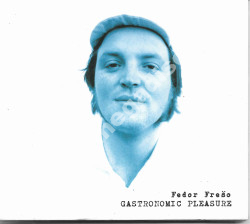 FREŠO, FEDOR (see also: Collegium Musicum) - FEDOR FREŠO – Gastronomic Pleasure - Pavian Records Digipak Remastered Editionprice: 75,00 PLN / 18,75 EUR
Fedor Frešo was associated with the most important bands of the Czech and Slovak rock scene, and together with Marián Varga he founded Collegium Musicum - he played bass and sang. The recordings on the disc come from 1968–1981, and particularly important are three Collegium Musicum tracks, where the bassist's characteristic, strong playing is an essential element of the band's sound. -
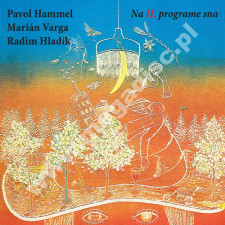 HAMMEL, PAVOL & VARGA, MARIAN (see also: Collegium Musicum / Prudy) - PAVOL HAMMEL / MARIAN VARGA / RADIM HLADIK - Na II. programe sna - SLO Opus Press - LISTENprice: 110,00 PLN / 27,50 EUR
In 1976 Hammel, Varga and Hladik and a few friends from Prúdy and Fermata (including Hájek, Szapu and Kozma on drums and Belák on bass) got together to record the LP Na II. Programe Sna - credited to Pavol Hammel, Marián Varga, Radim Hladík - released by Opus in 1977 in a single sleeve, but with an additional insert with a photograph of the trio. To tell the truth, it was once again a record by two old pals (and at the same time the composers of the whole material), and the name of the guitarist (of course audible, but at the level of an important session musician) probably ended up on the cover for 'the sum of his work' and for marketing reasons. Opinions about this album are divided. Some consider it almost a classic of progressive rock from this part of Europe, and others, again, that it is poppy, that it is uneven... In this case the truth lies, unusually, in the middle, since roughly half of these more complicated tracks (as a rule, oddly enough, written by the vocalist) are top-shelf Czech rock, and indeed - the second part of the record (and in particular its second side) consists of short, usually formally not very complicated pieces written by Varga (to lyrics by Peteraj) (as if part of a rock opera or musical and not of a progressive album) sung with flair by Hammel. The problem is that if you like the style, intonation and timbre of the voice of the leader of Prúdy (and I have come to like it a lot - I do not even know when!), then you listen to the whole record with great pleasure! Lovers of concrete, largely instrumental playing, on the other hand, had better have a programming function on their player :-) The first side opened with the heavy, swaying and almost hard-progressive Na Druhom Programe Sna composed by the H-V duo - sung by Hammel in a strong voice, a mere 3-and-a-half-minute piece adorned with a beautiful, though short solo by Hladik using a volume pedal and another one at full throttle. So the beginning was very promising! Then came the mere 100-second Náhle - a beautiful, balladic piece based on the interplay of Spanish and electric guitar, strings, piano and melodic vocals. The 4-minute Letia Husi is an almost Emerson-like piece modelled a little on She Belongs To Me by The Nice and mostly filled with an almost psychedelic keyboard improvisation played against the background of drums nicely pumping out a fast, slightly broken rhythm! The one-minute Voda was another refined miniature for vocals, piano and some percussion bits, while the 7-minute S Chodníkom Na Chrbte, written by Hammel, is a superb progressive piece meeting all the standards of a genre classic: a catchy theme played by a slightly drawling guitar, non-trivial playing by the rhythm section; a free, almost improvised duel between the electric guitar and overdriven, specially modulated Hammond organ, and finally a dynamic culmination. Super! For this track alone it is worth having this record! The first part of the album was closed by the monumental Ľalia Poľná - a 4-minute piece based on the sound of church organ (vocals and backing vocals) and sounding almost like a fragment of a mass. The second side was opened by the cheerful, folky, pop-rock and slightly funny Papageno Z Novej Vsi - a short piece by Varga that would once have been a mere waste of time and which today I listen to with pleasure. Unfortunately, V Zelenej Pamäti, composed by Pavol, poppy, slightly Latin and, on top of that, garnished with loud female backing vocals, was certainly the only truly weak number on Na II. Programe Sna. Na Schodoch Gymnázia, played in the style of playful, jazzy Queen, was perhaps not much better, but at least it was sung and played in an unforced way. I will not hide that the third pop-rock number in a row (fortunately a short one), Správne Žiť, may drive hard-line progsters to tears or fury), but one simply has to accept this somewhat musical-like convention and that is that. Z Ofsajdu, which followed, was a ballad-rock piece adorned with a catchy theme played on flute and a very nice guitar solo by Hladik. The penultimate track on the album, composed by Hammel, the over 4-minute Lodička Z Papiera, was a long-awaited, dynamic and quite sophisticated, twisting, almost shouted rocker combining the style of ELP, early Queen and Uriah Heep! If this piece had been on the first side, I am sure half the listeners would never have turned the vinyl over to the second side (but the first would have been well worn...), all the more so since the whole thing was closed by Až Túto Moju Pieseň Dohrajú, played in an irritating Dixieland style (later transformed into a kind of sea shanty). It was a close thing that this would be the last title in Hammel's career, since in August 1976 he barely escaped death. He was supposed to take the morning plane from Prague to his home in Bratislava, but because he had 'partied' a little at night, he overslept, and the plane he was supposed to fly on crashed because of a serious failure near Bratislava while attempting to land on water, and all the passengers died. Because the artist was on the passenger list, for several hours he was believed dead. When he landed in Bratislava on the next flight, one can easily imagine the joy of his distraught family and friends! A REVIEW BY JACEK LEŚNIEWSKI FROM A BOOK ON ROCK IN THE FORMER EASTERN BLOC, BEGUN BUT ABANDONED AFTER HALF A YEAR (2021). -
 HAMMEL, PAVOL (see also: Prudy) - PAVOL HAMMEL A SKUPINA PRUDY - Hrać - Opus Pressprice: 110,00 PLN / 27,50 EUR
Recorded in 1974 and released already in 1975 in a gatefold sleeve, the LP Hráč was Hammel's last album recorded officially with Prúdy (already with the new drummer Pavol Kozma). Unfortunately, the musical climate was changing and ambitious, progressive playing was slowly going out of fashion. Probably after the moderate success of the previous album the artist... mellowed, and although the perfectly produced material he proposed could still be counted as rock in style, the record was half filled with gentle, refined pop-folk-rock ballads - sometimes in an American style and at times even in the aesthetic of our Marek Grechuta (without the group Anawa), although as a great fan of the work of the author of Korowód, I am aware of the weight of this comparison... The first side opened very promisingly with the title track Hráč, characterised by a slightly broken rhythm (with a bass drum fantastically filling the space) and sung with verve - a fantastically produced, slow track based on the interplay of organ, piano, acoustic guitar, flute and backing vocals in the style of Uriah Heep! The next, also rock, track was the folk-progressive, swaying Hotel Sen - a very nice, acoustic-electric piece with an accompanying flute part and a somewhat trivial chorus. The following, folky Zimuška (acoustic guitars, piano, swaying rhythm, male backing vocals) was in a somewhat American style. Referencing a little the style of Crosby, Stills & Nash, at times sung in an almost shrill voice, the again ballad-folky Starý Porcelán was recorded with the help of percussion instruments, piano and acoustic guitars and halfway through gained some power thanks to a nice electric guitar solo. In a fairly similar, though somewhat more pop style came the catchy Ty Si Tá, while by contrast Bláznove Byty began with intriguing wah-wah guitar sounds, but in the blink of an eye turned into a charming ballad a bit in the style of Cat Stevens, built on the sound of piano, strings, occasional backing vocals and a delicate rhythm section. The first side was closed by Svitanie - a cheerful, melodic rock ballad played in a fairly lively rhythm in the vein of George Harrison. Unfortunately, the second side was opened by the hit oompah, that is the tango style combined with the music of the 50s, megapopular Učiteľka Tanca - a song that literally almost everyone who grew up in the 70s knows, but has no idea who performed it. Well... Pavol Hammel! Worse still, the next piece was the strongly swaying Blší Trh, recalling a little the recordings of the group Mungo Jerry; fortunately Hammel scored strongly with V Každom Počasí - a very delicate, elegantly arranged (piano, strings and again Uriah-like backing vocals) track recalling a little some of the work of our Marek Grechuta! The mood changed again in Láskavo - all in all a nice, jazzy boogie, played with great class and excellently arranged. This is one of those pieces that perhaps do not convince from the musical side, but whose interpretation drops your jaw... The next track in which I would look for an echo of Grechuta's style was Chuť Prvých Strát - an impressive, boldly arranged (dense, swaying drums, violin, Hammond organ), though somewhat overlong, piece. The record was closed by Mladosť, sung in a gentle voice accompanied only by acoustic guitar and piano. All in all it is a very pleasant record - gaining a great deal with each repeat listen. REVIEW BY JACEK LEŚNIEWSKI FROM A BOOK ON ROCK FROM THE FORMER EASTERN BLOC, BEGUN BUT ABANDONED AFTER HALF A YEAR (2021). -
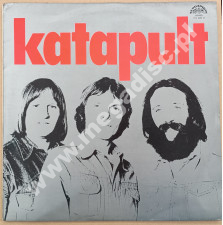 KATAPULT - KATAPULT - Katapult (Live) - CZECHOSLOVAKIAN Supraphon 1978 1st Press - EXCELLENT PLUS VINTAGE VINYLprice: 200,00 PLN / 50,00 EUR
ANALOGUE SOUND! Sleeve: EXCELLENT / Record: MINT- -
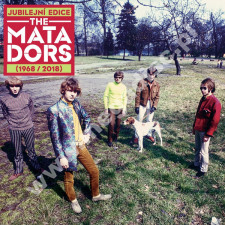 MATADORS (see also: Blue Effect) - MATADORS - Matadors - Jubilejní Edice (1968 / 2018) - CZE Supraphon Remastered Pressprice: 120,00 PLN / 30,00 EUR
A classic, blues-rock album from 1968 (in the vein of the recordings of John Mayall's Bluesbreakers of the time), also containing the sensational, painfully psychedelic and as much as 6-minute 'Extraction'. The excellent guitarist Radim Hladik later founded the band Blue Effect! A remastered, jubilee edition. -
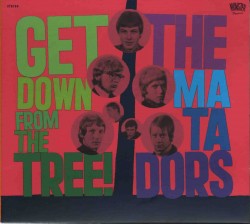 MATADORS (see also: Blue Effect) - MATADORS - Get Down From The Tree - Complete Recordings 1966-1968 - SPA Munster Digipack Edition - LISTENprice: 70,00 PLN / 17,50 EUR
This very tastefully presented (extensive history of this Czech band, plenty of photos), 80-minute, Spanish CD contains 24 tracks (sung in English): 12 tracks from the classic pop-psych-blues album known in our country (including the sensational, 6-minute, painfully psychedelic Extraction) and another twelve tracks from singles and Czech compilations. The track opening the record, "Get Down From The Tree", had the honour of appearing in excellent company on the compilation box set "Nuggets II" (Rhino). Guitarist Radim Hladik and vocalist Waldemar Misik founded the excellent Blue Effect right afterwards! A compilation CD by the group Olympic came out in the same series. Highly recommended! (JL) -
 MISIK, VLADIMIR (see also: Matadors / Blue Effect / Flamengo) - VLADIMIR MISIK / ETC... - Vladimir Misik - CZE Supraphon Edition - LISTENprice: 120,00 PLN / 30,00 EUR
The debut solo album (recorded with his accompanying group 'Etc...') of a vocalist, guitarist and composer, known among other things from Matadors, Blue Effect and Flamengo. A 2017 anniversary edition, new, sealed. -
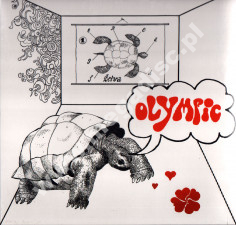 OLYMPIC - OLYMPIC - Zelva - CZE Supraphon Remastered Press - LISTENprice: 120,00 PLN / 30,00 EUR
"At the same October session the band recorded several rather modern-sounding tracks which, alongside the pieces committed to tape in early spring, ended up on the debut album Želva, released in 1968 - at the same time the first Czech long-player of rock music in history! On this record, released in mono and in stereo and at the same time excellently produced, the band offered, composed for the most part by the duo Janda/Chrastina, a very attractive and non-trivial mixture of British freakbeat from the mid-60s close to The Beatles and The Yardbirds; white rhythm'n'blues in the style of The Rolling Stones and Them and the then ever more popular and practically unheard of in the Eastern Bloc countries early psychedelia in the vein of The Byrds, The Doors and The Who. The 35-minute album opened with Želva, released earlier on a single - a lively number with harmonica, based on a strong, somewhat broken rhythm, decidedly drawing on early Them - Van Morrison. A classic! Second came Vzpomínka Plíživá, based on the interplay of guitars and organ - a piece created during the October session alluding a little to the psychedelic Byrds, but still evoking echoes of the early Animals. The following bawdy Línej Skaut, as if created during a decent drinking session, brought to mind the mood of 'The Good Soldier Švejk', but I confess I could live without this, in all, Dylan-esque number, recorded with the help of an accordion, trombone and simple strikes of the bass drum... Then the band offered two charming, rock ballads: the decidedly Beatles-like Dám Zejtra Zas Flám, sounding almost like an outtake from the album Help!, and Modravé Mámení, strongly reminiscent of The Byrds (and of I Got You Babe by the duo Sonny & Cher) and garnished with nice drumming from the evidently gifted Jan 'Sorry' Pacák and the pleasant sound of a ringing guitar, nicely overdriven during the solo. The first side was closed by the decent Nikdo Neotvírá - a cheerful piece, though adding little to the whole, inspired by I Feel Fine by The Beatles. The second part opened with the decidedly Stones-like Nebezpečná Postava, played at a rather unusually fast rhythm, though too light for me, after which came the very successful, balladic Snad Jsem To Zavinil Já, released earlier on the A-side of a single - a catchy, guitar-driven piece sung by Janda in a gentle voice, at moments reminiscent of The House Of The Rising Sun by The Animals and right at the end also evoking For Your Love by The Yardbirds. There is no need to be ashamed of good models! Recorded in February 1967 and sung in a very relaxed manner, Dědečkův Duch was a much-needed dose of dynamic and catchy pop-rock garnished with neat entries of sharp guitar. By contrast the dreamily sung by the bassist Pavel Chrastina, gently swaying, excellent Jen Bůh Ví was a pleasant, yet at the same time majestic, almost psychedelic ballad, and right after it came Telefon, lasting less than 2 minutes - a rhythm'n'blues number with harmonica and a nice part of jangling guitar, played at a very fast tempo. The record was closed in great style by the genuinely legendary Psychiatrický Prášek, lasting 6 minutes and 20 seconds - a superb, decidedly psychedelic, rock piece, a peculiar melange of She's Not There by The Zombies, I'm Going Home by The Rolling Stones and The End by The Doors - garnished, on top of that, with haunted vocals straight from the titular psychiatric ward! It is only a pity the band did not play for 2-3 minutes longer... It has to be admitted that the LP Želva is listened to almost in one breath and I am truly full of admiration that our southern neighbours were able to produce such an innovative, refreshing and at the same time full of attractive (though sometimes borrowed) melodies, record! At that time the rest of rock Eastern Europe was still staring solely at The Beatles, The Animals or, worse still, at soul music... It is worth knowing that only about 5000 copies came out in the artistic sleeve with the titular tortoise (by the drummer), and since the deadlines at the monopolistic printing house were long and busy, subsequent pressings of the record came out either in hastily made, unattractive sleeves, or in sleeves with the large Supraphon logo on the front and with the track titles and an editorial note on the back. After 1970, meanwhile, the album ceased to be reissued at all and today it is a great rarity, though practically never seen in great condition. Records in 'EX/EX' condition are worth over 150 euros, while 'Near Mint' copies in the tortoise sleeve can easily fetch prices of 250-300 euros! I confess I never had a problem getting hold of the band's albums, because quite by chance in the mid-90s a Czech tourist brought the first three Olympic titles (in almost perfect condition) to my shop (stuffed into a huge backpack) and with undisguised joy exchanged them for CDs that interested him..." A REVIEW BY JACEK LEŚNIEWSKI FROM A BOOK ABOUT ROCK IN THE FORMER EASTERN BLOC, BEGUN BUT ABANDONED HALF A YEAR LATER (2021). 2013 remastered reissue, sealed. -
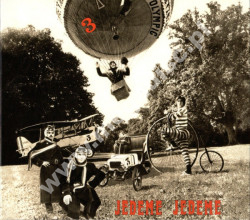 OLYMPIC - OLYMPIC - Jedeme, jedeme +8 - CZE Supraphon Remastered Expanded Digipack Edition - LISTENprice: 90,00 PLN / 22,50 EUR
"Still in September 1970, in just three days, the band recorded all the material for its third and last classic album titled Jedeme, Jedeme, although the number 3 also appeared on the cover. Released in a gatefold sleeve, the record showed the band as artists fascinated above all by the work of the late The Beatles, and also showed a palpable fascination with the then very popular and fashionable progressive rock. It is worth mentioning that several compositions were created as early as 1969 - during a French escapade. The whole thing opened with the sounds of a locomotive setting off, that is the 5-and-a-half-minute Pět Cestujících - a decidedly rock, slightly swaying piece recalling a little the influences of Ten Years After, Traffic and (gentle) Jimi Hendrix, thanks to the interplay of piano, organ and slightly jazzy guitar. Unfortunately, the one that followed, Když Jsem Bejval Tramp, was admittedly a likeable, but on a rock record rather superfluous piece harking back to the Dixieland era. Good that it is only 2 minutes... Third on the record, the balladic Mr. Den A Lady Noc, sung in a warm voice, could have appeared on a Cat Stevens album of that time, but the surprisingly rock, Beatles-like ending could not! The next on the record, the excellent Brouk, was a mixture of the rock sounds of the Beatles, the melodies of the Jimi Hendrix Experience and a good pinch of Jethro Tull that looks rather improbable on paper - also thanks to the charming flute part by Jiří Stivín (of Jazz Q Praha)! That is exactly how catchy, ambitious, British rock sounded in the autumn of 1970! A revelation! The first part was closed by the as much as 6-minute Danny - quite a pretty, ballad-rock, majestic and gently progressive piece (with another attractive part by Stivín - this time as a saxophonist) recalling some recordings of Procol Harum and The Beatles and right at the end almost quoting Donovan's Atlantis, sung by Janda literally personifying McCartney! The second side opened with the gently psychedelic, melodic Elixír - another strongly McCartney-like, rock piece that would have gained still more without the a cappella ending. Built on the sound of organ and electric guitar, the slightly swaying Bláznivej Kiki was a likeable, at moments slightly jazzy, progressive piece, and after it came Bon Soir Mademoiselle Paris, sung in Czech with a slight French mannerism - a beautiful, melancholic piece sung by Janda accompanied by charmingly mixed parts for flute, accordion, acoustic guitar and violin. The penultimate track on the second side, the cheerful and catchy Strážce Majáku, was another track on Jedeme, Jedeme proving that The Beatles' albums of 1968-1969 (and the single Hey Jude) must have been played to death by the main composer Petr Janda. The whole thing was closed by the 5-minute Tobogán - a slightly swaying, dense, almost hard-rock number that draws attention with excellent drumming and aggressive vocals." A REVIEW BY JACEK LEŚNIEWSKI FROM A BOOK ON ROCK IN THE FORMER EASTERN BLOC, BEGUN BUT ABANDONED AFTER HALF A YEAR (2021). A remastered 2021 reissue, extended by eight tracks, in a digipak. -
 OLYMPIC - OLYMPIC - Jedeme, jedeme - CZE Supraphon Remastered Press - LISTENprice: 140,00 PLN / 35,00 EUR
"Still in September 1970, in just three days, the band recorded all the material for its third and last classic album titled Jedeme, Jedeme, although the number 3 also appeared on the cover. Released in a gatefold sleeve, the record showed the band as artists fascinated above all by the work of the late The Beatles, and also showed a palpable fascination with the then very popular and fashionable progressive rock. It is worth mentioning that several compositions were created as early as 1969 - during a French escapade. The whole thing opened with the sounds of a locomotive setting off, that is the 5-and-a-half-minute Pět Cestujících - a decidedly rock, slightly swaying piece recalling a little the influences of Ten Years After, Traffic and (gentle) Jimi Hendrix, thanks to the interplay of piano, organ and slightly jazzy guitar. Unfortunately, the one that followed, Když Jsem Bejval Tramp, was admittedly a likeable, but on a rock record rather superfluous piece harking back to the Dixieland era. Good that it is only 2 minutes... Third on the record, the balladic Mr. Den A Lady Noc, sung in a warm voice, could have appeared on a Cat Stevens album of that time, but the surprisingly rock, Beatles-like ending could not! The next on the record, the excellent Brouk, was a mixture of the rock sounds of the Beatles, the melodies of the Jimi Hendrix Experience and a good pinch of Jethro Tull that looks rather improbable on paper - also thanks to the charming flute part by Jiří Stivín (of Jazz Q Praha)! That is exactly how catchy, ambitious, British rock sounded in the autumn of 1970! A revelation! The first part was closed by the as much as 6-minute Danny - quite a pretty, ballad-rock, majestic and gently progressive piece (with another attractive part by Stivín - this time as a saxophonist) recalling some recordings of Procol Harum and The Beatles and right at the end almost quoting Donovan's Atlantis, sung by Janda literally personifying McCartney! The second side opened with the gently psychedelic, melodic Elixír - another strongly McCartney-like, rock piece that would have gained still more without the a cappella ending. Built on the sound of organ and electric guitar, the slightly swaying Bláznivej Kiki was a likeable, at moments slightly jazzy, progressive piece, and after it came Bon Soir Mademoiselle Paris, sung in Czech with a slight French mannerism - a beautiful, melancholic piece sung by Janda accompanied by charmingly mixed parts for flute, accordion, acoustic guitar and violin. The penultimate track on the second side, the cheerful and catchy Strážce Majáku, was another track on Jedeme, Jedeme proving that The Beatles' albums of 1968-1969 (and the single Hey Jude) must have been played to death by the main composer Petr Janda. The whole thing was closed by the 5-minute Tobogán - a slightly swaying, dense, almost hard-rock number that draws attention with excellent drumming and aggressive vocals." A REVIEW BY JACEK LEŚNIEWSKI FROM A BOOK ON ROCK IN THE FORMER EASTERN BLOC, BEGUN BUT ABANDONED AFTER HALF A YEAR (2021). A remastered 2021 reissue, in a gatefold sleeve, sealed. -
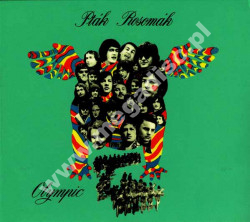 OLYMPIC - OLYMPIC - Ptak Rosomak +9 - CZE Supraphon Remastered Expanded Edition - LISTENprice: 90,00 PLN / 22,50 EUR
The second album by the Czechoslovak band, from 1969. A remastered 2019 reissue, extended by 9 tracks, in a digipak. -
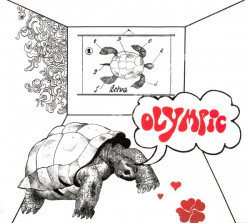 OLYMPIC - OLYMPIC - Zelva +11 - CZE Supraphon Remastered Expanded Edition - LISTENprice: 90,00 PLN / 22,50 EUR
"During the same, October session the band recorded several quite modern-sounding recordings which, alongside the tracks captured on tape in early spring, ended up on the debut album Želva, released as early as 1968 - at the same time the first Czech longplay of rock music in history! On this record, released in mono and in stereo and at the same time excellently produced, the band offered a very attractive and non-trivial mixture, composed for the most part by the duo Janda/Chrastina, of mid-60s British freakbeat close to The Beatles and The Yardbirds; white rhythm'n'blues in the style of The Rolling Stones and Them; and the then increasingly popular and practically unheard-of in the Eastern Bloc countries early psychedelia of the The Byrds, The Doors and The Who kind. The 35-minute album opened with Želva, previously released on a single - a lively number with harmonica, based on a strong, slightly broken rhythm, decidedly drawing on early Them - Van Morrison. A classic! Second came Vzpomínka Plíživá, based on the interplay of guitars and organ - a piece created during the October session, harking back a little to the psychedelic The Byrds, but still evoking echoes of early The Animals. The bawdy Línej Skaut that followed, which sounded as if it had come out of a good drinking session, brought to mind the mood of 'The Good Soldier Švejk', but I confess that I could live without this, in sum Dylan-like number, recorded with the help of an accordion, a trombone and simple strokes of a bass drum... Then the band offered two charming rock ballads: the decidedly Beatles-like Dám Zejtra Zas Flám, sounding almost like an outtake from the album Help! and Modravé Mámení, strongly resembling The Byrds (and I Got You Babe by the duo Sonny & Cher) and garnished with nice drumming by the evidently gifted Jan 'Sorry' Pacák and the pleasant sound of a ringing guitar, nicely overdriven during the solo. The first side was closed by the decent Nikdo Neotvírá - a cheerful piece, though contributing little to the whole, inspired by I Feel Fine by The Beatles. The second part opened with the decidedly Stones-like Nebezpečná Postava, played at an unusually fast rhythm, though too light for me, after which came the very successful, balladic Snad Jsem To Zavinil Já, released earlier on the A-side of a single - a catchy guitar piece sung by Janda in a delicate voice, at moments recalling The House Of The Rising Sun by The Animals and right at the end also evoking For Your Love by The Yardbirds. There is nothing to be ashamed of in good role models! Dědečkův Duch, recorded in February 1967 and sung with great ease, was a much-needed dose of dynamic and catchy pop-rock garnished with neat entries of sharp guitar. By contrast, the slightly swaying, excellent Jen Bůh Ví, sung in a sleepy voice by the bassist Pavel Chrastina, was a pleasant but at the same time majestic, almost psychedelic ballad, and right after it appeared the under-2-minute Telefon - a rhythm'n'blues number played at a very fast tempo, with harmonica and a nice part for twangy guitar. The record was closed in great style by the 6-minute-20-second, genuinely legendary Psychiatrický Prášek - a superb, decidedly psychedelic rock track that is a peculiar blend of She's Not There by The Zombies, I'm Going Home by The Rolling Stones and The End by The Doors - and what is more garnished with haunted vocals straight from the titular psychiatric ward! It is only a pity that the band did not play for 2-3 minutes longer... It must be admitted that the LP Želva can be listened to almost in one breath and I am really full of admiration that our southern neighbours were able to produce such an innovative, invigorating and at the same time melody-rich (though sometimes borrowed) record! At that time the rest of Eastern European rock was still gazing solely at The Beatles, The Animals or, worse still, at soul music... It is worth knowing that only about 5000 copies appeared in the artistic cover with the titular tortoise (by the drummer), and since the lead times at the monopoly printing house were long and booked up, subsequent pressings of the record appeared either in hastily made, unattractive sleeves, or in covers with a large Supraphon logo on the front and with the track titles and an editorial note on the back. After 1970, however, the album was no longer reissued at all and today it is a great rarity, though practically never seen in great condition. Records in 'EX/EX' condition are worth over 150 euros, while 'Near Mint' copies in the tortoise cover can easily fetch prices of 250-300 euros! I confess that I never had trouble getting hold of the band's albums, since quite by chance the first three Olympic titles (in almost perfect condition) were brought to my shop in the mid-90s by a Czech tourist (crammed into a huge backpack), who exchanged them with undisguised joy for CDs that interested him..." A REVIEW BY JACEK LEŚNIEWSKI FROM A BOOK ON ROCK IN THE FORMER EASTERN BLOC, BEGUN BUT ABANDONED AFTER HALF A YEAR (2021). A remastered reissue in a digipak, extended by 11 tracks, from 2019. -
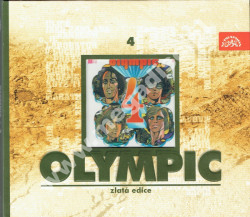 OLYMPIC - OLYMPIC - Olympic 4 (+13) - CZE Supraphon Remastered Expanded Edition - LISTENprice: 70,00 PLN / 17,50 EUR
The fourth album by the Czechoslovak band, from 1974. A remastered 2006 edition, with thirteen additional tracks. -
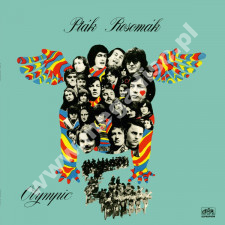 OLYMPIC - OLYMPIC - Ptak Rosomak - CZE Supraphon Remastered Press - LISTENprice: 130,00 PLN / 32,50 EUR
The second album by the Czechoslovak band, from 1969. A remastered 2019 reissue. -
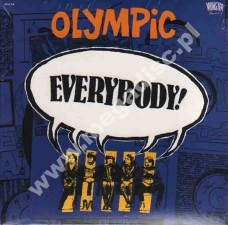 OLYMPIC - OLYMPIC - Everybody! (Thoughts Of A Foolish Boy) - SPA Munster Records Card Sleeve Editionprice: 70,00 PLN / 17,50 EUR
Compilation from 2013, containing tracks from 1965-71. Spanish edition licensed from Supraphon.


